
On Thursday, 26 June 2025, Dr. Di Wang, Postdoctoral Fellow at Yuelu Academy, Hunan University, delivered a compelling online lecture titled “Mapping Nature in Greco-Roman and Early Chinese Cartography.” The event attracted a global audience and offered a rich comparative perspective on ancient cartographic traditions.
Dr. Wang, who earned her PhD in Comparative Literature from Washington University in St. Louis, has long engaged with questions at the intersection of classical studies, Chinese intellectual history, and global humanities. Her lecture was a welcome opportunity for members of the WashU community and beyond to reconnect with her innovative scholarship.
Lecture Highlights
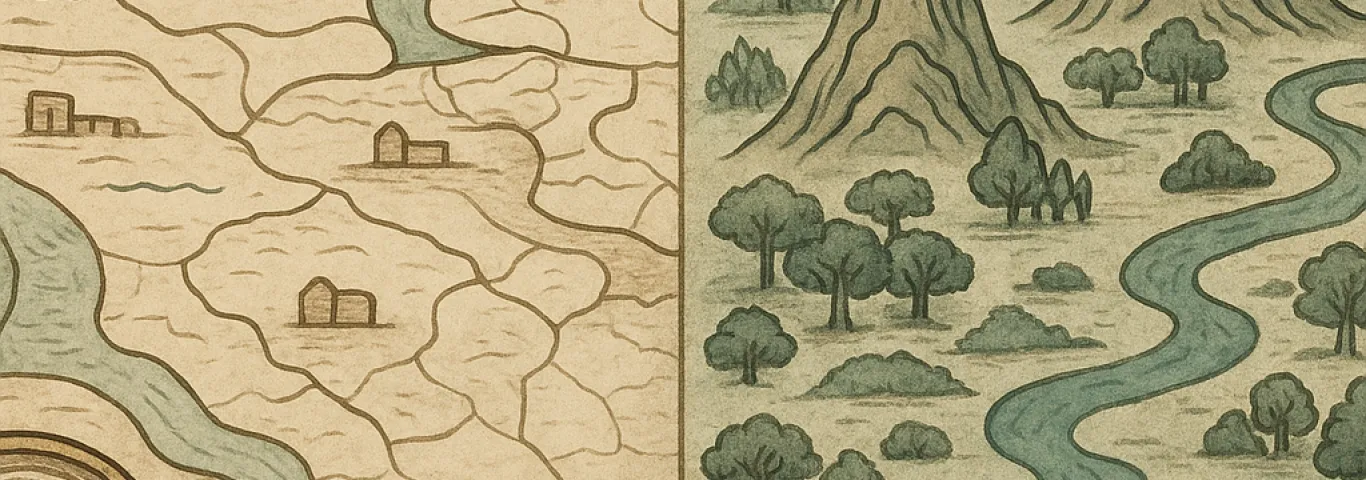
The talk explored how early Chinese and Greco-Roman civilizations conceptualized nature in their cartographic practices. Roman authors like Pliny the Elder meticulously catalogued the natural world, yet Roman maps—whether scientific (Ptolemaic) or practical (agrimensores and mensores aedificiorum)—largely excluded it. In contrast, Chinese maps, often state-commissioned, were filled with rivers, mountains, and landscapes that carried both symbolic and administrative weight.
Dr. Wang argued that in early Chinese cartography, nature was not a passive backdrop but an active force in governance. It was surveyed, named, and mobilized in the service of ritual and military strategy—an embodiment of Confucian order rather than Daoist spontaneity. As the Zuozhuan puts it, “The great affairs of the state lie in ritual and warfare.”
Her lecture illuminated how these differing visual languages reflect broader cultural and political priorities, offering a nuanced understanding of how ancient societies imagined and organized their worlds.
We extend our congratulations to Dr. Wang on a successful lecture and look forward to following her continued contributions to the field of comparative global humanities.